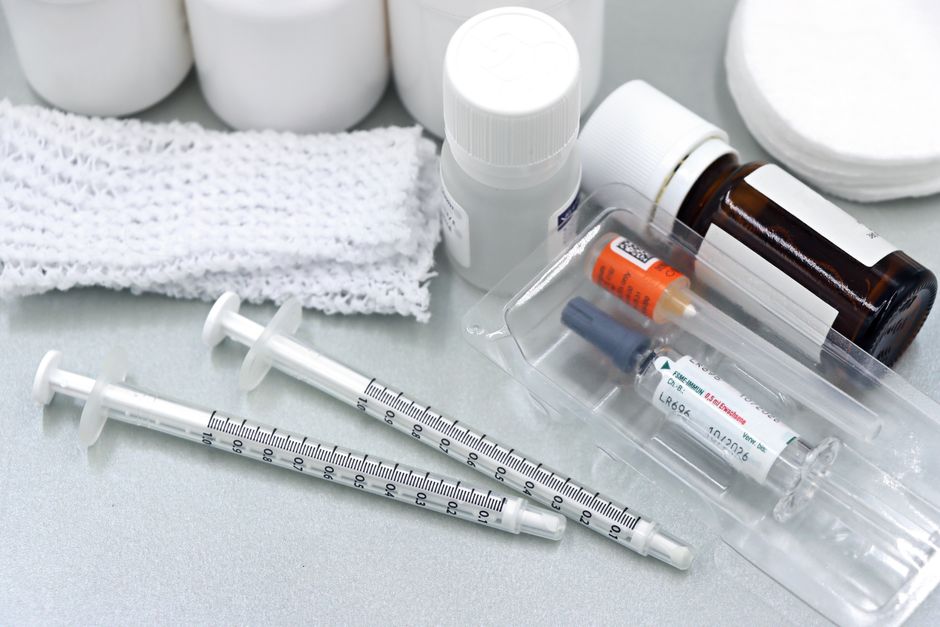
Clinic clearance in Southgate: safe medical waste steps
Clearing a clinic is never just a matter of removing old chairs and boxed paperwork. Once sharps containers, dressings, expired stock, broken equipment, and clinical consumables enter the picture, the whole job changes. Clinic clearance in Southgate: safe medical waste steps is about protecting people, keeping the site tidy, and making sure waste is handled in a way that does not create avoidable risk. That matters whether you are closing a practice, refurbishing a treatment room, or simply dealing with a back room that has become a bit... full, to put it mildly.
In Southgate, where clinics can range from small private practices to multi-room health and wellbeing spaces, the process needs to be calm, organised, and careful. This guide walks through what the job involves, how safe medical waste steps work in practice, and what to look for before you book help. If you want a broader view of waste handling for commercial premises too, our business waste removal page is a useful companion read.
What you will get here is practical advice, not fluff. We will cover the key risks, the step-by-step method, common mistakes, and the checks that help a clinic clearance go smoothly. And yes, we will keep it plain English.
Contents
- Why clinic clearance matters
- How the clearance process works
- Key benefits and practical advantages
- Who this is for and when it makes sense
- Step-by-step guidance
- Expert tips for better results
- Common mistakes to avoid
- Tools, resources and recommendations
- Law, compliance, standards, or best practice
- Options, methods, or comparison table
- Case study or real-world example
- Practical checklist
- Conclusion
- Frequently asked questions
Why Clinic Clearance in Southgate: Safe Medical Waste Steps Matters
Clinic clearance is not the same as clearing a normal office or retail unit. There can be items that are contaminated, items that cut or puncture, and items that need separate handling because they have been used in patient care. Even when a clinic is small, the risks are real. One misplaced sharps box or one bag of mixed waste can complicate the entire clearance.
The main reason safe medical waste steps matter is simple: they reduce exposure. That includes exposure for staff, the clearance team, cleaners, building managers, and anyone who enters the space afterwards. It also helps avoid damage to the property, unpleasant odours, and the awkward discovery, two weeks later, that something was left behind in a cupboard that nobody checked properly.
There is also a trust element. Patients, landlords, neighbouring businesses, and regulatory bodies all expect healthcare-related waste to be treated with care. A tidy-looking room is not enough if the disposal process underneath it is messy. In practice, the safest clinic clearance is one that separates waste correctly, documents what is removed, and leaves the site ready for its next stage without shortcuts.
For many Southgate premises, the best results come from treating the clearance as a controlled project rather than a last-minute tidy-up. That mindset alone changes the quality of the outcome.
How Clinic Clearance in Southgate: Safe Medical Waste Steps Works
A proper clinic clearance usually starts before anyone lifts a box. First, the rooms are reviewed so the team can understand what is on site: furniture, paperwork, packaging, general waste, clinical waste, potentially hazardous items, and anything that needs special care. Then the clearance is planned around the type of waste, access to the property, and the level of sorting already in place.
In a well-run job, medical waste is not bundled together with ordinary rubbish. It is identified, kept separate where required, and handled according to its type. That may include sealed containers for sharps, designated bags or bins for clinical waste, and careful packaging for items that could leak, break, or spread contamination. The exact handling approach depends on what is present, so a cautious site check is always the right starting point.
Once the waste streams are identified, the team can remove items in an orderly sequence. Typically, that means isolating any sensitive material first, then clearing furniture, fixtures, and general clutter, and finally doing a full sweep for smaller items that can hide in drawers, cupboards, and under worktops. Little things matter here. A single forgotten pot, bandage packet, or disposable instrument can mean a return visit later, which nobody wants.
After removal, the area should be left clean enough for the next step, whether that is a refurbishment, a handover to the landlord, or a final deep clean. If the clinic is also being stripped back, services such as office clearance can be relevant for desks, chairs, filing units, and non-clinical furniture that still needs proper disposal.
Key Benefits and Practical Advantages
There is a practical payoff to doing clinic clearance properly. You save time, reduce risk, and avoid the messy overlap between clinical waste and ordinary waste. That sounds obvious, but in real life people often underestimate the time spent sorting things that were mixed together in a hurry.
- Safer handling: correct separation reduces the chance of injury or contamination.
- Cleaner handover: the premises are easier to refurbish, market, or return to a landlord.
- Less disruption: a planned clearance is smoother than repeated ad hoc removals.
- Better accountability: clear documentation and site checks help show that waste was treated responsibly.
- More efficient use of space: removing unused equipment and surplus stock opens up working areas fast.
There is another benefit that gets missed a lot: peace of mind. Once the sensitive items are handled properly, staff can focus on the move, closure, or upgrade without that lingering worry of "Did we forget something in the treatment room?" Truth be told, that worry is usually what keeps people up the night before a closure.
If your wider premises also include items like broken couches, old cabinets, or patient waiting-room furniture, some removals can overlap with our furniture disposal and furniture clearance services, depending on the mix of materials on site.
Who This Is For and When It Makes Sense
This topic is relevant to a lot more people than you might expect. A clinic clearance in Southgate can be needed by private practices, dental rooms, physiotherapy clinics, therapy suites, cosmetic treatment spaces, podiatry rooms, and health clinics inside mixed-use buildings. Even small premises can generate bulky waste surprisingly quickly.
It also makes sense for landlords and property managers who need a unit cleared after a lease ends, and for practice owners who are closing, relocating, downsizing, or refurbishing. If you are converting a healthcare space into a different commercial use, the clearance plan should be especially careful because there may be old consumables tucked away in storage or behind cabinets.
Here are the most common situations where a structured clearance is worth it:
- clinic closure or practice sale
- room-by-room refurbishment
- equipment upgrade and old stock removal
- end-of-lease handover
- post-incident clear-out after water damage or long-term storage
- decluttering after a period of rapid growth, when cupboards have somehow become their own ecosystem
If the site is more office-like than clinical, a mix of services may be useful. For example, a reception area with desks and paperwork might sit alongside medical rooms, and in those cases business waste removal can support the non-clinical side of the job, while clinical waste still receives separate attention.
Step-by-Step Guidance
Below is a practical way to approach the job. It is simple enough to follow, but detailed enough to avoid the usual errors.
-
Survey the site room by room.
Walk through every treatment room, store cupboard, reception area, and back-of-house space. Make a note of general waste, clinical waste, sharps, electrical items, furniture, paperwork, and anything unusual. A quick visual glance is not enough; open the cupboards, check under sinks, and look behind boxes.
-
Separate waste streams before removal starts.
Keep medical waste distinct from ordinary rubbish. Do not mix unused supplies with contaminated items unless the waste type allows it and the handling route is already clear. If something is uncertain, treat it carefully and get it identified before movement.
-
Secure sharps and hazardous items first.
Sharps containers, broken glass, and other puncture risks should be dealt with early. This reduces the chance of accidental injury while the rest of the clearance is taking place.
-
Remove non-clinical furniture and fixtures.
Once sensitive waste is controlled, remove desks, chairs, cabinets, shelving, and other bulky items. This often opens up the room and makes the remaining checks easier.
-
Do a final sweep for small items.
Check drawers, skirting edges, storage tubs, and high shelves. Small items are the ones people forget. A single box of old dressings at the back of a cupboard can undo a very tidy clear-out.
-
Confirm the premises are ready for the next stage.
After removal, make sure the space is left in a condition that suits the next step, whether that is cleaning, repair work, a landlord inspection, or new fit-out work.
Sometimes the best way to think about it is: remove the risk, then remove the clutter, then check again. Simple. Not glamorous, but simple works.
Expert Tips for Better Results
In our experience, the smoothest clinic clearances are the ones where the client has already done a little sorting before the team arrives. Nothing dramatic. Just enough to save time and prevent confusion. A labelled cupboard can make a surprising difference, and so can a quick list of what should stay and what should go.
Here are a few practical tips that help:
- Set aside one decision-maker. Too many people giving instructions at once slows everything down.
- Photograph confusing areas. If a storeroom has mixed contents, photos help everyone agree what is included.
- Keep paperwork separate. Old patient records, if present, need a different level of care than general office files.
- Plan access in advance. Narrow stairwells, basement rooms, and shared entrances can affect the order of removal.
- Ask about insurance and safety arrangements. It is a basic question, but a good one. The answer should be clear and confident.
A small but important point: do not leave the sorting to the last five minutes before the clearance starts. That is where people get rushed, and rushed is where mistakes breed. You know how it goes. One box left open, one label missing, then everyone is squinting at a pile of bits trying to remember what is what.
For premises that are also being stripped of general trade waste, our waste removal page gives a helpful overview of broader non-clinical disposal support.
Common Mistakes to Avoid
The mistakes are usually predictable, which is good news because predictable mistakes are easier to prevent. The most common one is mixing waste types. It happens when people are tired, short on space, or trying to be efficient. But "efficient" turns into "complicated" very quickly if clinical items end up with normal rubbish.
Another issue is assuming that all items stored in a clinic are medical waste. Not true. Many premises contain a mix of clinical consumables, ordinary office materials, display items, packaging, and furniture. Treating everything as one category creates unnecessary cost and can slow the process down.
People also forget the hidden spots. Under sinks, behind reception units, inside old cupboards, and in box files that nobody has touched for months. Those spaces are where small but important items tend to lurk.
Other mistakes include:
- not checking the condition of stored waste before removal
- forgetting to separate recyclable packaging from contaminated materials where appropriate
- failing to brief staff on what should stay and what should leave
- leaving access issues until the day of the clearance
- assuming every disposal route is the same, which it very much is not
And one more, because this comes up all the time: not allowing enough time for a final site check. The last walk-through can feel unnecessary when everyone is keen to finish, but it often catches the one item that would otherwise cause trouble later. A bit annoying in the moment, yes. Worth it, absolutely.
Tools, Resources and Recommendations
You do not need a van full of specialist gadgets to manage a safe clinic clearance, but you do need a clear process and the right containers. The practical essentials are straightforward.
- Labelled bins or boxes: helpful for separating waste streams before collection.
- Sharps containers: essential wherever needles or other puncture risks are present.
- Clear inventory notes: a simple room-by-room list works better than relying on memory.
- Protective equipment: appropriate gloves and coverings for handling unknown or potentially contaminated items.
- Access plan: useful for staircases, lift use, parking, and timing.
For clinics that need to document site safety as part of the process, it helps to review the provider's health and safety policy and insurance and safety information before booking. That is not box-ticking. It is basic due diligence, especially where medical-related waste is involved.
If the premises are being cleared as part of a wider business move, it may also be worth looking at pricing and quotes so you can compare scope, timing, and what is actually included. The cheapest quote is not always the best one. Sometimes it is cheap because the important part is missing. Funny how that works.
Law, Compliance, Standards, or Best Practice
Because this topic touches healthcare waste, compliance matters. The exact responsibilities depend on the type of waste, the premises, and how the clinic operates, so it is wise to be cautious rather than overconfident. In the UK, medical and clinical waste is normally handled under established duty-of-care principles and sector best practice, with a strong emphasis on segregation, secure storage, safe transport, and keeping appropriate records where required.
In plain English, that means you should know what you have, keep it separate where necessary, use the right containers, and make sure the removal route is suitable for the material involved. If a waste stream is potentially infectious, sharp, or otherwise hazardous, it should not be treated like ordinary office rubbish. That is the whole point.
For most clinics, the safest best practice is to:
- identify waste types before clearance begins
- keep sharps and contaminated items isolated
- avoid overfilling containers
- store waste securely until it is removed
- use a clearance approach that respects site safety and handling controls
If you are unsure whether a specific item counts as clinical waste, err on the side of caution and have it checked. That is not being fussy. That is being sensible. And in a clinical environment, sensible is usually the winning move.
For businesses that value responsible disposal and reuse where possible, the site's recycling and sustainability information is also worth reviewing, especially when a clearance includes furniture, packaging, and recyclable non-clinical materials alongside sensitive waste.
Options, Methods, or Comparison Table
There is more than one way to handle clinic clearance, but they are not all equally practical. The right method depends on the amount of waste, how sensitive it is, and how quickly the premises need to be handed over.
| Approach | Best for | Strengths | Watch-outs |
|---|---|---|---|
| Self-sorting with scheduled collection | Small clear-outs with well-labelled waste streams | Can be cost-conscious and flexible | Requires time, discipline, and good knowledge of waste categories |
| Phased clearance | Refurbishments or gradual downsizing | Reduces disruption and lets staff keep working in some areas | Needs careful planning so waste does not build up again between visits |
| Full-site clearance | Closures, end-of-lease handovers, major relocations | Fast, thorough, and easier to coordinate | Requires clear instructions about what must remain on site |
| Mixed commercial clearance | Clinics with office furniture and general business waste | Useful when the site includes both clinical and non-clinical areas | Clinical waste still needs separate handling and care |
For a lot of Southgate clinics, a mixed approach is the most realistic. A reception desk, filing cabinets, and waiting-room chairs can often be handled alongside clinical rooms, but not in the same waste stream. Separate logic, same project. That is the trick.
Case Study or Real-World Example
Here is a realistic example. A small Southgate treatment clinic is preparing to move to a new location. The owner has three treatment rooms, a compact reception area, and a back store that has slowly filled with old packaging, spare consumables, dated brochures, and broken furniture. Nothing dramatic. Just the sort of place where good intentions have stacked up into boxes.
The first step is a walkthrough to separate the contents into categories: clinical waste, sharps, general waste, recyclable packaging, furniture, and items that should stay. One treatment room has a sealed sharps box and some disposable materials that need careful handling. The reception area contains desks and chairs that are not clinical waste at all, so they are scheduled for removal separately. The back store has several unlabeled boxes, which are opened and checked before anything moves.
Because the site is still partly operational, the clearance is completed in phases. The sensitive waste is removed first, then the furniture, then the final clutter sweep. By the end of the day the rooms look different in a very satisfying way: clearer floors, cleaner corners, fewer things hiding in the shadows. A final inspection catches one last box under a shelf. Not glamorous, but useful. Very useful.
The result is a safer handover, less stress for the clinic team, and a cleaner starting point for the new premises. No drama. No missing items. That is usually the best outcome.
Practical Checklist
Use this checklist before the clearance starts. It keeps things calm and saves time later.
- Identify all rooms and storage areas to be cleared
- Separate medical waste from general rubbish
- Confirm sharps containers are sealed and ready for safe removal
- Set aside furniture, fixtures, and equipment for separate handling if needed
- Label any items that must remain on site
- Check cupboards, under sinks, and behind cabinets
- Plan access, parking, and timing for the clearance team
- Review health, safety, and insurance arrangements
- Keep paperwork and records organised where relevant
- Do a final room-by-room sweep before sign-off
Expert summary: the safest clinic clearance is the one that separates risk early, keeps decisions simple, and finishes with a proper final check. That last walk-through often saves the day.
If your clinic project is part of a wider property move or closure, it can be helpful to explore the company's about us page for a better sense of how they work and what standards they apply. And if you are ready to talk through the practical details, the contact us page is the right next stop.
Get a free quote today and see how much you can save.
Conclusion
Clinic clearance in Southgate is really about control. Control over waste streams, control over safety, and control over the pace of the job. When the medical waste steps are handled properly, the whole project becomes easier to manage and a lot less stressful for everyone involved.
The key is not to rush the sorting stage. Once you know what is clinical, what is ordinary, and what needs special handling, the rest becomes far more straightforward. A clean handover, a safer space, fewer surprises. That is the goal, and honestly, it is a good one.
Whether you are clearing a single treatment room or a full clinic, a careful process will always pay off. Take the time to plan it well, ask the right questions, and keep the waste streams separate. The rest usually falls into place.
Frequently Asked Questions
What counts as medical waste in a clinic clearance?
Medical waste can include sharps, contaminated dressings, used consumables, and other items from patient care. The exact categorisation depends on what the item is and how it has been used, so uncertain items should be checked rather than guessed.
Can clinic waste be mixed with general office rubbish?
Usually not. Clinical or potentially hazardous items should stay separate from ordinary waste. Mixing them makes handling less safe and can create problems later during disposal or inspection.
Do I need to sort everything before the clearance team arrives?
It helps a lot if you can sort the obvious categories in advance, but you do not need to do everything perfectly on your own. The main thing is to avoid mixing waste streams and to flag anything sensitive or uncertain early.
How long does a clinic clearance usually take?
That depends on the size of the premises, the amount of waste, access conditions, and whether the clearance is phased or full-site. A small clinic can be much quicker than a multi-room medical space, but a careful final sweep always takes time.
What should happen to sharps containers?
Sharps containers need safe handling and should not be opened or treated like ordinary waste. They should be secured and managed through an appropriate route for that type of material.
Is a clinic clearance different from an office clearance?
Yes. A clinic can include clinical waste, sharps, and items that need extra care. An office clearance is usually more straightforward because it mainly involves desks, chairs, paperwork, and general commercial waste.
What if there are old patient records on site?
Patient records should be treated carefully and separately from general waste. They may need secure handling, so they should never be thrown in with ordinary rubbish during a hurried clear-out.
Can reusable furniture be removed as part of the same job?
Often yes, as long as it is separated from any medical waste and handled as a distinct stream. Reception desks, chairs, shelving, and storage units are commonly cleared alongside clinic waste planning.
What are the biggest risks during a clinic clearance?
The biggest risks are injury from sharps, contamination from mixed waste, and missing items left in storage areas. A good plan, careful sorting, and a final sweep all reduce those risks.
How do I know if a provider is suitable for clinic clearance in Southgate?
Look for clear communication, sensible safety information, insurance details, and a practical approach to sorting different waste types. If a provider can explain how they handle clinical waste steps without sounding vague, that is a good sign.
What should I do if the clinic is closing and the space needs to be handed back quickly?
Start with a room-by-room inventory, separate sensitive waste immediately, and arrange a clearance plan that fits the deadline. If time is tight, phased removal can help, but the waste still needs to be handled correctly. No shortcuts, even when the clock is ticking.
What happens after the clearance is finished?
Once the waste is removed and the area is checked, the space is usually ready for cleaning, refurbishment, or handover. A good final inspection is worth doing before anyone signs anything off.