Office clearance in Southgate
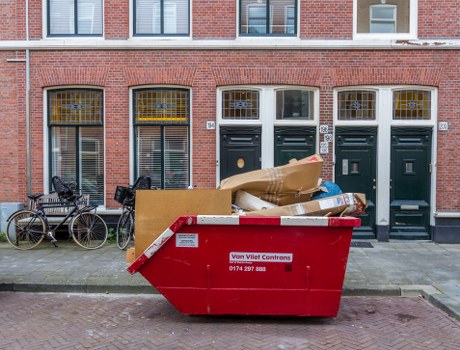
Office clearance in Southgate should be organised around the actual contents of the workspace, the access available on site, and the finish you need at the end of the job. We help with clearing desks, chairs, cabinets, archived paperwork, mixed furniture and general office items, so the space can be handed back in a tidier state or prepared for its next use. The service is suitable for partial room clearances as well as fuller office clearances where a structured approach is needed.
Our work is designed to keep the process straightforward while still being careful with separation, loading and disposal. Where items need to be reused, recycled or routed for specialist handling, we can sort them as part of the clearance. That makes it easier to deal with fitted storage, loose equipment and bulky furnishings without turning the job into a series of separate tasks. Clear scope, sensible scheduling and tidy removal matter just as much as the physical lifting.
Alongside the main clearance itself, people often want to understand what can be removed, what needs to be kept, and how the job should be prepared before any work begins. A useful quotation request normally includes the room count, types of furniture, floor access, and whether there are items that should stay in place. Simple details help us match the clearance to the layout and the amount of work involved. If you are planning an office clear-out in Southgate, the easiest next step is to request a quotation and outline the space you want cleared.
What our office clearance service covers
We clear a wide range of office contents, from individual items through to larger combinations of furniture and stored materials. That can include workstations, meeting tables, shelving, storage units, filing cabinets, loose chairs and other everyday items that no longer need to remain in place. If the room contains a mix of reusable and disposable items, we separate them where practical so the clearance can be completed in an orderly way.
Office clearances can also involve rooms that have changed function over time, such as underused store rooms, rear offices, reception areas or spaces being returned to a landlord. In those cases, the main concern is often not simply removing whatever is visible, but making sure the remaining space is left with the right items still in situ. We can work to a defined list, which is useful when certain equipment, records or fixtures must stay behind.
For jobs where the contents are varied, it helps to set the priority early. Some customers want to clear only the obvious surplus items, while others need a more complete emptying of the room. A practical plan may include the following:
- desks, chairs and office seating
- cabinets, shelves and storage units
- mixed small items from drawers and cupboards
- boxed paperwork and archived materials
- non-fixed office furnishings and loose equipment
Furniture, storage and fit-out items
Furniture often makes up the bulk of an office clearance, so it is important to deal with it efficiently and without unnecessary disruption. We can remove items that are awkward to move through corridors or stairways, and we can handle pieces that need to be dismantled before they leave the room. This is especially relevant where offices have been set up in stages and now contain a mixture of older and newer furniture with different sizes and finishes.
When storage units, cabinets and shelving are involved, the aim is not only to empty the room but also to avoid leaving behind clutter that slows down the handover. Many office spaces have items tucked into corners, above eye level or inside fixed-looking storage areas, so a careful approach is useful. Matching the clearance to the layout helps prevent missed items and avoids unnecessary disturbance to areas that are staying in use.
We can also clear furnishings that have been used as part of a fit-out or rearrangement, including items that are no longer suited to the current office layout. If some items are to remain for continued use, those should be identified clearly in advance so the clearance can be planned around them. That keeps the work focused and makes it easier to complete the removal in one organised visit rather than through repeated visits.
Paperwork, equipment and room contents
Many office clearances involve more than furniture alone. Old files, boxed records, obsolete equipment and mixed room contents can build up over time, especially in back offices and storage rooms. We can clear general contents as part of the job, but paperwork and records need to be handled in a way that respects what must stay, what can go, and what should be set aside for review. That distinction is useful when the space contains both current working materials and items no longer needed.
Equipment can vary from simple peripherals to larger office items, so the type of clearance must be chosen carefully. Some offices contain items that are straightforward to remove, while others include mixed materials that need sorting before loading. Where possible, separating reusable contents from general waste supports a tidier process and avoids treating every item in the same way. This is one reason why a short description of the room contents is helpful before the job begins.
Useful preparation is usually modest and practical rather than time-consuming. It helps to note which rooms are included, identify anything that must remain, and flag any items that are unusually heavy, awkward or fixed in place. A clear list reduces confusion and makes the final result easier to manage. If the clearance includes paperwork, equipment or mixed office contents, please ask for a quotation and outline the items that matter most.
How office clearances are planned
Planning starts with understanding the size of the space and the type of contents inside it. A single office with a few items can be handled very differently from a suite of rooms with multiple furniture types and storage areas. That is why the quotation stage is important: it helps define the likely labour involved, the access points to be used, and whether the work needs to be divided into stages for convenience or safety.
It also helps to think about access before the day of the clearance. Hallways, lifts, shared entrances and parking arrangements can all affect how the job is carried out, especially where larger furniture has to be moved through narrow or busy areas. Where there are special building rules, those details are worth noting early. A short, accurate description of the site often saves time later and makes it easier to plan a tidy, efficient removal.
The most useful information for a quotation usually includes the type of furniture, the approximate amount of material, and whether anything is to be retained. If the office has multiple rooms or levels, a room-by-room outline can help. You do not need to over-explain the job; simple facts are enough. Once the scope is clear, the next step is to request a quotation and choose a convenient time to get the office cleared.
Recycling, reuse and responsible disposal

Office clearance does not have to mean treating every item as the same kind of waste. In many clearances, some contents are suitable for reuse, some are best separated for recycling, and some need to be removed as general mixed material. We work with that practical mix in mind, so the clearance can be handled in a more organised way. This is useful when offices contain a combination of furniture, packaging, office sundries and items that are no longer fit for use.
Recycling decisions are often straightforward once the contents are sorted. Metal frames, wood-based furniture, certain plastics and other recoverable materials may be separated where appropriate, while general office waste is removed alongside the rest of the job. The main point is to avoid unnecessary confusion at the end of the clearance and to leave the client with a space that has been properly emptied. That approach is usually more manageable than trying to deal with each item on its own.
Where there are items that could be reused, it is sensible to identify them before the clearance day, rather than leaving that decision until the last minute. The more clearly the contents are grouped, the easier it is to remove them efficiently. If your office clearance includes a fair amount of mixed material, a simple written summary or a few photos can be useful for a quotation request. Pricing and quotes may also help if you want to understand how the work is commonly assessed.
Southgate and the wider local area
Southgate is a suburban district in the London Borough of Enfield, known for its mix of residential streets, retail parades and transport links rather than a single dominant town centre. The area developed significantly during the late nineteenth and early twentieth centuries as rail and tram connections made travel into London more practical, and traces of that growth remain in the local street pattern and building stock. Southgate Underground station, with its distinctive modernist design, is one of the best-known landmarks, and it gives the district a recognisable civic character. Nearby, the green spaces of Grovelands Park provide a broad recreational landscape with lawns, trees and water, while Oakwood Park and other open areas contribute to the suburban feel. The local high street and surrounding roads bring together shops, services and community uses, and the district’s architecture ranges from interwar housing to later infill and commercial premises. Southgate has long been associated with a settled residential population, but it also serves as a practical local centre for day-to-day amenities, making it a clearly defined part of north London with its own identity, transport connections and public places.
Office clearance for different workplace needs
Not every office clearance has the same purpose. Some are linked to relocation, others to a change in layout, an end of tenancy, or the need to empty an underused area that has become storage over time. We can adapt the work to the reason the space is being cleared, which helps avoid removing things that are still needed elsewhere in the building. The key is to define the area and the target outcome before the job starts.
That flexibility matters when the office contains more than standard desks and chairs. Reception items, meeting-room furniture, filing storage and miscellaneous contents can all need different handling, especially if some pieces are still in use. A structured clearance allows the room to be dealt with methodically rather than by guesswork. One clear scope is often better than a vague request to take everything away, because it makes the result easier to control.
If you are comparing options for an office clear-out in Southgate, it is worth deciding whether you want a partial removal, a room-by-room clearance or a fuller emptying of the space. That decision shapes the quotation and the work involved. When you are ready, contact us with the basic details and we can help you move towards a suitable quotation.
Working around occupied buildings and shared access

Some office clearances take place in buildings that remain partly occupied, so care is needed around shared entrances, corridors, lifts and loading points. In those situations, the work has to be planned in a way that is orderly and respectful of other users of the building. That may mean moving items at suitable times, keeping routes clear and making sure the items scheduled for removal are clearly identified before work starts.
Where the building has restrictions on access or movement, it is useful to note them in advance. The same applies if there are stairs, narrow turns or specific collection points. These details do not make the job impossible, but they do shape how it should be approached. A reliable clearance is one that fits the property rather than forcing the property to fit the clearance. That is especially true for larger office items.
Good preparation keeps things practical. Identify the rooms involved, make a note of anything left behind, and tell us if any access restrictions apply. That is usually enough to start the quotation process. If the building is occupied or access is shared, a concise summary helps us plan the clearance around the space and the items that need to go.
Why a clear quotation request helps
A well-prepared quotation request makes it easier to match the office clearance to the actual work involved. Rather than guessing, we can consider the scope, the item types, the access and the likely amount of handling required. This is useful for small office rooms, larger suites and mixed-content spaces alike. It also helps identify whether the job is mostly furniture removal, a more general clear-out or a combination of the two.
When you ask for a quotation, try to keep the information specific but not overcomplicated. The most useful details are usually the size of the area, the kind of items involved, and any important exclusions. If there are items that must remain, say so at the outset. If there are bulky pieces, mention them. Clear instructions at the beginning tend to make the whole process smoother than adding corrections later.
About us may be useful if you want to know more about the company pages available on this website, while a quotation request remains the most direct way to move the job forward. For a Southgate office clearance, the simplest next step is to ask for a quotation and provide a short description of the room or rooms to be cleared.
Choosing the right office clearance approach
Choosing the right office clearance approach depends on how much of the space must be emptied, how the contents are arranged, and whether some items are to stay in place. A narrow clearance can focus on a single room, a set of furniture pieces or a specific storage area. A broader clearance may involve several rooms, older furnishings and miscellaneous contents that have built up over time. The better the scope is defined, the easier it is to organise the work well.
It is often sensible to start with the items that are most obvious to remove, then deal with the less visible contents such as stored papers, loose supplies or items tucked into cupboards. This avoids the common problem of clearing a room quickly only to discover that more work is still hidden in storage areas. Where useful, we can work from a clear list of included and excluded items so the result is aligned with your expectations.
To arrange office clearance in Southgate, send over the basics and request a quotation. If you have access details, a summary of the contents and any items that need to stay, include them in your message. That is usually enough to get the process moving. Office clearance information on this site can also help you understand the wider service, but the quickest route is to make your enquiry now.