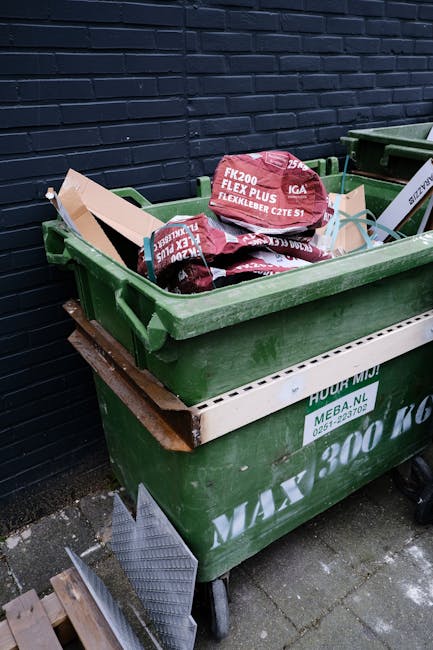
Southgate Green Lanes rubbish collection for flats on N14 estates

If you live in a flat on one of the N14 estates near Green Lanes, rubbish can become a surprisingly awkward part of daily life. One overflowing bin store, one missed collection, and suddenly the whole block feels off. The smell turns sour, bags end up beside the wrong chute, and everyone starts asking the same question: who is responsible for clearing it properly?
This guide explains Southgate Green Lanes rubbish collection for flats on N14 estates in plain English. We'll look at how it works, why it matters, what residents and managing agents should expect, and how to avoid the usual problems that crop up in communal housing. There's also a practical checklist, a comparison table, and a few real-world examples from the kind of situations people run into on busy Southgate estates.
Truth be told, most rubbish issues in flats are not about the waste itself. They're about timing, access, communication, and knowing which collection route is actually the right one.
Why Southgate Green Lanes rubbish collection for flats on N14 estates Matters
Communal estates in N14 have their own rhythm. People are coming and going at different times, bins fill unevenly, and a single skipped pickup can ripple through the whole block. On Green Lanes, where traffic, delivery vehicles, and resident parking can already make access tight, waste needs a bit more coordination than in a detached house with a neat wheelie bin at the front gate.
For flats, rubbish collection matters because it affects more than cleanliness. It affects how the building smells, how safe the walkways are, how pests behave, and how residents feel about the place they live in. A tidy bin area can make an estate feel organised; a neglected one can make everything feel a bit worn down, even when the flats themselves are perfectly decent.
There's also the practical side. Estate managers and landlords often need a reliable way to deal with bulky waste, tenant clear-outs, fly-tipped items, and the odd pile of boxes left after a move. A good collection process stops those items from hanging around for days. Sometimes it's a sofa. Sometimes it's half a room's worth of cardboard after someone finally tackled the storage cupboard. Either way, it needs shifting.
Residents benefit too. If you live in a flat, you may not have space to store waste safely until the next standard pickup. That means the difference between a managed collection and a chaotic one can be a lot of peace and quiet. Or at least fewer complaints in the WhatsApp group.
How Southgate Green Lanes rubbish collection for flats on N14 estates Works
In simple terms, rubbish collection for flats usually follows one of three paths: routine communal bin collection, scheduled bulk waste removal, or ad hoc clearance for problem items. On N14 estates, those paths often overlap. A managing agent may handle routine communal waste, while residents or caretakers arrange extra clearance for items that do not belong in the bins.
The process often starts with identifying what needs removing. That sounds obvious, but it matters. Food waste, black bags, broken furniture, old mattresses, cardboard from a move, and builders' rubble all need different handling. A collection team will usually want to know whether the load is light household waste, mixed rubbish, or bulky furniture. That helps them plan the right vehicle, crew size, and loading time.
Access comes next. Flats on estates can be straightforward or awkward depending on gates, permit controls, lift access, stairwells, bin store size, and whether the waste needs to come from a top-floor flat or just from the ground-floor refuse area. The less guesswork, the better. A good service will ask about entry, parking, loading points, and whether there are any time restrictions from the site or managing agent.
For residents, collection is usually easier when waste is bagged, separated where sensible, and placed in a safe location that does not block paths or fire routes. For larger clearances, the team may remove items directly from the flat. That is where a service like flat clearance can be especially useful, because the job is not just about taking rubbish away; it is about moving items out safely and without causing a nuisance to neighbours.
In some cases, waste removal is only one part of a bigger clear-out. For example, if a tenant has left furniture behind, or a landlord is turning a unit around between tenancies, linking rubbish collection with furniture clearance or even broader home clearance can save time and reduce repeat visits.
Key Benefits and Practical Advantages
There are a few clear reasons why organised rubbish collection makes sense for Southgate estates, and most of them are very down to earth.
- Cleaner communal areas: fewer bags left by chutes, fewer spillages, and less mess around bin stores.
- Better resident experience: people feel more comfortable when shared spaces are looked after.
- Reduced pest risk: rubbish left too long can attract vermin, especially where food waste is involved.
- Less fire and trip risk: stacked bags, loose boxes, and dumped furniture can block routes and create hazards.
- Faster void turnaround: landlords and agents can prepare flats for re-letting more quickly.
- Less strain on caretaking teams: one scheduled collection is easier than repeated manual handling.
There is also a less obvious benefit: consistency. When residents know what happens to waste, where it should go, and who to call when the bin area becomes overloaded, people are much less likely to improvise. And improvised waste plans, let's face it, are usually a mess.
For estates with recurring bulky waste issues, using a dedicated clearance approach can also support better recycling habits. If items are collected with sorting in mind, a larger share of the material can be directed appropriately instead of all ending up in one mixed heap. The team may also explain options in line with recycling and sustainability, which matters when you're trying to keep an estate tidy without being wasteful.
Who This Is For and When It Makes Sense
This kind of rubbish collection is not just for one type of resident. It is useful for a range of people connected to flats on N14 estates.
- Residents: especially those with more waste than the communal bins can handle, or those doing a clear-out after a move.
- Landlords: when a tenant leaves behind waste, bags, or furniture.
- Managing agents: for ongoing communal waste issues, estate clean-ups, or one-off bulky clearances.
- Housing associations and caretakers: where shared bin stores need periodic intervention.
- Letting agents: when a flat needs to be made presentable between tenancies.
- Residents' committees: if a block wants to address repeated fly-tipping or bin-store misuse.
It makes sense whenever the ordinary collection system is not enough. That might be after Christmas, after a string of move-outs, or after a refurbishment where packaging, broken items, and offcuts pile up faster than expected. It might also make sense after a very ordinary event, like three households deciding to clear their storage cupboards in the same week. Funny how that happens.
If the waste is mainly old household contents rather than standard black bags, a broader clearance option such as house clearance may suit some situations better. If the issue is office-related rather than residential, then office clearance is the more relevant route. Different jobs, different handling.
Step-by-Step Guidance
If you want a smooth collection on an N14 estate, the process helps when it's organised early. Here is a practical way to handle it.
- Identify the waste type. Separate general rubbish, bulky items, furniture, cardboard, and any building debris if applicable.
- Check access. Note gate codes, parking constraints, lift availability, and any estate rules about loading.
- Estimate volume. Even a rough description helps: a few bags, one sofa, a full flat, or several mixed items.
- Set a sensible time window. Try to avoid rush-hour access if the estate is difficult to navigate.
- Keep walkways clear. Waste should not block corridors, stairwells, fire doors, or bin-store access.
- Arrange the right service. If furniture or mixed items are involved, pair waste removal with a clearance service rather than forcing everything into one bin run.
- Confirm what happens after collection. Ask whether reusable items, recyclable materials, and general waste will be sorted appropriately.
A small practical detail matters here: if you can place waste in one clear area, the crew can work faster and more safely. Spreading bags across the block may feel convenient in the moment, but it often creates more delay than it saves.
For mixed loads that include broken furniture, old shelves, or a heavy mattress, it can help to request furniture disposal rather than assuming the items can be left out for normal collection. That tends to reduce confusion and makes the handover simpler.
Expert Tips for Better Results
Here are the habits that make the biggest difference in real life, especially on busy estates.
1. Treat access as part of the job, not an afterthought. A clean job can still go wrong if the vehicle cannot park safely or the team cannot reach the bin store without dragging waste too far.
2. Keep communication simple. One clear message to residents or neighbours is better than five long reminders. Say what day, what type of waste, and where items should go.
3. Don't mix everything together if you can avoid it. Cardboard, soft furnishings, and general rubbish are easier to deal with when they are not all bundled into one mountain of "miscellaneous stuff".
4. Use a service that understands flats. Flats are different from houses. Stairwells, communal entrances, shared storage, and neighbours in close proximity all shape how the job should be done.
5. Think about recurrence. If the same bin area keeps overflowing, the issue may not be the collection alone. It may be signage, resident behaviour, or the frequency of pickups. Sometimes the fix is operational, not just physical.
6. Keep bulky waste separate from daily rubbish. This prevents the bin store from becoming a holding bay for old furniture, which is rarely what anyone wants.
A useful rule of thumb: if the waste would make you hesitate to carry it down the corridor at 8am because it is awkward, heavy, or smells a bit off, it probably needs a proper collection rather than a casual bin-store drop.
Common Mistakes to Avoid
Most problems on estates come from a handful of repeated mistakes. Nothing dramatic. Just avoidable stuff.
- Leaving waste outside for too long: this invites mess, odours, and complaints.
- Blocking fire routes or access points: never worth the risk, even for a short time.
- Assuming all waste is the same: bulky items, soft furnishings, and builders' waste are not handled the same way.
- Ignoring estate rules: some blocks have strict times or loading arrangements.
- Overloading communal bins: if the system is already stretched, forcing more in just creates a worse problem later.
- Not checking who is responsible: residents, landlords, and managers sometimes each think someone else has arranged it.
A surprisingly common one is timing. A collection arranged for the wrong hour can clash with school runs, deliveries, or parking pressure on Green Lanes. Then everyone stands around waiting, and the estate starts to feel oddly tense. Not ideal.
Another mistake is forgetting the wider building. If rubbish is being removed from a flat, neighbours may be affected by noise and movement in the stairwell. That does not mean the job is difficult; it just means it should be done carefully and respectfully.
Tools, Resources and Recommendations
You do not need a complicated toolkit to organise a good collection, but a few simple tools and documents help a lot.
- Waste list: a quick note of what is being removed.
- Photos: useful for estimating volume and planning access.
- Estate access notes: gate codes, parking details, concierge instructions, lift restrictions.
- Resident notice: a short message explaining collection timing and any temporary access impact.
- Clear labelling: especially if multiple flats are involved in one operation.
It also helps to understand the related services that often sit alongside rubbish collection. If the job involves many discarded household items, flat clearance may be the most efficient route. If the estate also has a garage or storage area full of unwanted items, garage clearance can be a sensible add-on. If the problem stretches beyond the flat and into loft storage, then loft clearance becomes relevant too.
For readers who want to understand the provider side more fully, the pages on about us, health and safety policy, and insurance and safety are useful trust points. They help show how a service approaches risk, handling, and accountability. A small thing, but it reassures people.
Law, Compliance, Standards, or Best Practice
Waste collection in flats touches on a few important UK best-practice areas, even when the job itself is simple. The safest approach is to think in terms of duty of care, safe access, and proper handling rather than trying to wing it.
For shared buildings, it is sensible to follow estate rules, building management instructions, and reasonable health and safety expectations. That usually means keeping exits clear, avoiding manual handling risks, and making sure waste is not left where it could cause obstruction, contamination, or pest problems.
For mixed waste, especially if it includes furniture or bulky items, disposal should be handled responsibly and sorted where practical. If residents or agents are dealing with repeat clearances, records and scheduling matter as much as the collection itself. Nobody wants a building where nobody can explain what was removed, when, or by whom. That sort of fog creates hassle later.
It is also good practice to use a provider that can describe its approach to pricing, security, and complaints handling clearly. Those details may sound boring, but they are exactly the kind of boring details that save arguments later. Pages such as pricing and quotes, payment and security, and complaints procedure are there for a reason.
Expert summary: for flats on N14 estates, the best results usually come from clear access planning, sensible waste separation, and a collection process that respects shared spaces. Keep it simple, keep it safe, and keep neighbours in the loop.
Options, Methods, or Comparison Table
Choosing the right collection method depends on the volume, type of rubbish, and how the estate is set up. Here is a straightforward comparison.
| Method | Best for | Advantages | Limitations |
|---|---|---|---|
| Routine communal bin collection | Everyday household waste | Simple, familiar, low effort | Not suitable for bulky items or overflow |
| Ad hoc bulky waste pickup | Furniture, mattresses, large mixed items | Clears problem items quickly | Needs access planning and scheduling |
| Flat clearance | Full or partial flat contents | Removes multiple item types in one visit | More planning required than a simple bin lift |
| General waste removal | Mixed rubbish from a flat or estate area | Flexible and practical | May not suit items needing specialised handling |
| Builders' waste clearance | Refurbishment or repair debris | Useful after works and maintenance jobs | Not ideal for ordinary household rubbish |
If the estate is dealing with post-refurbishment mess, the right option may be builders waste clearance rather than standard rubbish collection. That distinction matters more than people think, especially when there are sharp offcuts, dust, and heavier debris mixed in.
For regular refuse or mixed discarded items, waste removal is the broadest and often the most practical description. It is the kind of service that fits many estate scenarios without overcomplicating the job.
Case Study or Real-World Example
Picture a mid-sized estate off Green Lanes on a damp Tuesday morning. Two flats have recently moved out, one resident is replacing old furniture, and the communal bin store is already half full from the weekend. By 9am, there are cardboard boxes leaning against the wall, a broken chest of drawers beside the bins, and a couple of black bags that were probably left there "just for now".
The caretaker can keep moving the problem around, or the estate can make one focused clearance plan. In this kind of situation, the better option is usually to identify the bulky items, confirm access, and arrange collection in one go. The team arrives, removes the furniture, clears the excess bags, and leaves the bin area usable again. It is not glamorous. But the relief is real.
What tends to work best in practice is not the biggest effort, but the neatest one. One well-timed visit beats three half-finished attempts. And on a cold London afternoon, nobody wants to be standing by a bin store while the wind pushes a torn cardboard flap into the road. Been there, seen that, not fun.
For estates that also need help with household contents after a move, pairing rubbish collection with furniture clearance or home clearance can be the cleaner option. It is usually more efficient than piecemeal removal.
Practical Checklist
Use this checklist before arranging collection on an N14 estate.
- Have you identified the exact type of waste?
- Do you know whether any items are bulky, heavy, or awkward to carry?
- Have you checked access, parking, and gate instructions?
- Are residents or neighbours aware of the timing if shared spaces will be affected?
- Have you kept walkways, exits, and stairwells clear?
- Do you need a service for furniture, general rubbish, or a fuller flat clearance?
- Have you confirmed how mixed materials will be handled?
- Is there a plan for repeat waste issues if the bin area keeps filling up?
- Have you reviewed the provider's terms, safety, and payment details?
- Is the collection planned at a time that avoids avoidable disruption?
One quick extra thought: if the problem keeps returning every week, do not just keep paying to remove the symptoms. Look at the root cause as well. Sometimes the answer is better communication, sometimes more frequent collection, and sometimes a different waste solution altogether.
Conclusion
Southgate Green Lanes rubbish collection for flats on N14 estates is really about keeping shared living workable. That means clear access, sensible planning, safe handling, and a collection approach that suits flats rather than houses. The best systems are calm, repeatable, and easy for residents to understand.
Whether you are a resident trying to clear a stubborn pile of waste, or a manager dealing with a bin store that keeps getting out of hand, the same principles apply: remove the right items, at the right time, in the right way. Simple, yes. But not always easy without the right setup.
If you want a service that fits the realities of communal living, it helps to work with a team that understands flat clearance, general waste removal, and the everyday quirks of estate access. And if you are still weighing up the right approach, a clear pricing discussion can make the whole thing feel a lot less stressful.
Get a free quote today and see how much you can save.
Sometimes the cleanest solution is also the quietest one. That's usually a good sign.
Frequently Asked Questions
What is Southgate Green Lanes rubbish collection for flats on N14 estates?
It is the organised collection of household waste, bulky rubbish, and occasional clearance items from flats and communal areas around Southgate and Green Lanes in N14. It can cover bin-store overflow, tenant clear-outs, and larger items that normal collections will not take.
How is rubbish collection for flats different from house rubbish collection?
Flats usually involve shared access, bin stores, stairwells, lifts, and neighbour considerations. That makes timing, safety, and communication more important than in a house. A flat job often needs more planning, even if the amount of waste is not huge.
Can I arrange collection for one bulky item only?
Yes, that is often possible. A single sofa, mattress, or broken wardrobe can be collected on its own if access is straightforward. For one-off items, furniture-related services or general waste removal are usually the simplest routes.
What should I do before a rubbish collection from my flat?
Check the access route, separate items if needed, make sure nothing blocks shared paths, and let neighbours know if the collection may affect common areas. A bit of preparation saves a lot of awkward carrying around the stairwell.
What if the waste includes old furniture or household contents?
That usually calls for a clearance service rather than basic bin collection. Furniture disposal, flat clearance, or home clearance may be more suitable, especially if there are several items or a full room's worth of belongings.
Is this suitable for landlords and managing agents?
Very much so. Landlords and agents often need help after tenant move-outs, fly-tipping, or when communal areas become overloaded. A planned collection can help restore order quickly and keep the building presentable.
How do I know which service I need?
If it is ordinary mixed rubbish, waste removal is often the broadest fit. If the job involves furniture or a whole flat, flat clearance is usually better. If it includes refurbishment debris, builders' waste clearance may be the right choice.
Will collection disturb residents on the estate?
Some noise is normal, especially when moving heavier items, but a good team should work carefully and keep disruption down. Access planning, sensible timing, and respectful handling make a noticeable difference.
What happens if the bin store is already full?
If the bin store is overflowing, a separate clearance is usually needed rather than forcing more waste into the communal bins. That approach helps restore the area without making the problem worse.
Can rubbish and recyclable items be handled together?
They can be collected together in many cases, but sorting them properly is better where practical. Recycling and sustainability matter, especially on estates where waste volumes are recurring and mixed.
How do I avoid repeat rubbish problems on my estate?
Look at the root cause. Better signage, clearer resident guidance, more suitable collection timing, or a different waste plan may be needed. Repeated overflow is often a management issue as much as a collection issue.
Where can I find more information about service standards and policies?
Useful pages include about us, health and safety policy, insurance and safety, pricing and quotes, payment and security, and complaints procedure. They give a clearer picture of how the service is run and what you can expect.